

Beyond the headlines: Rhonda Lee's true mental state
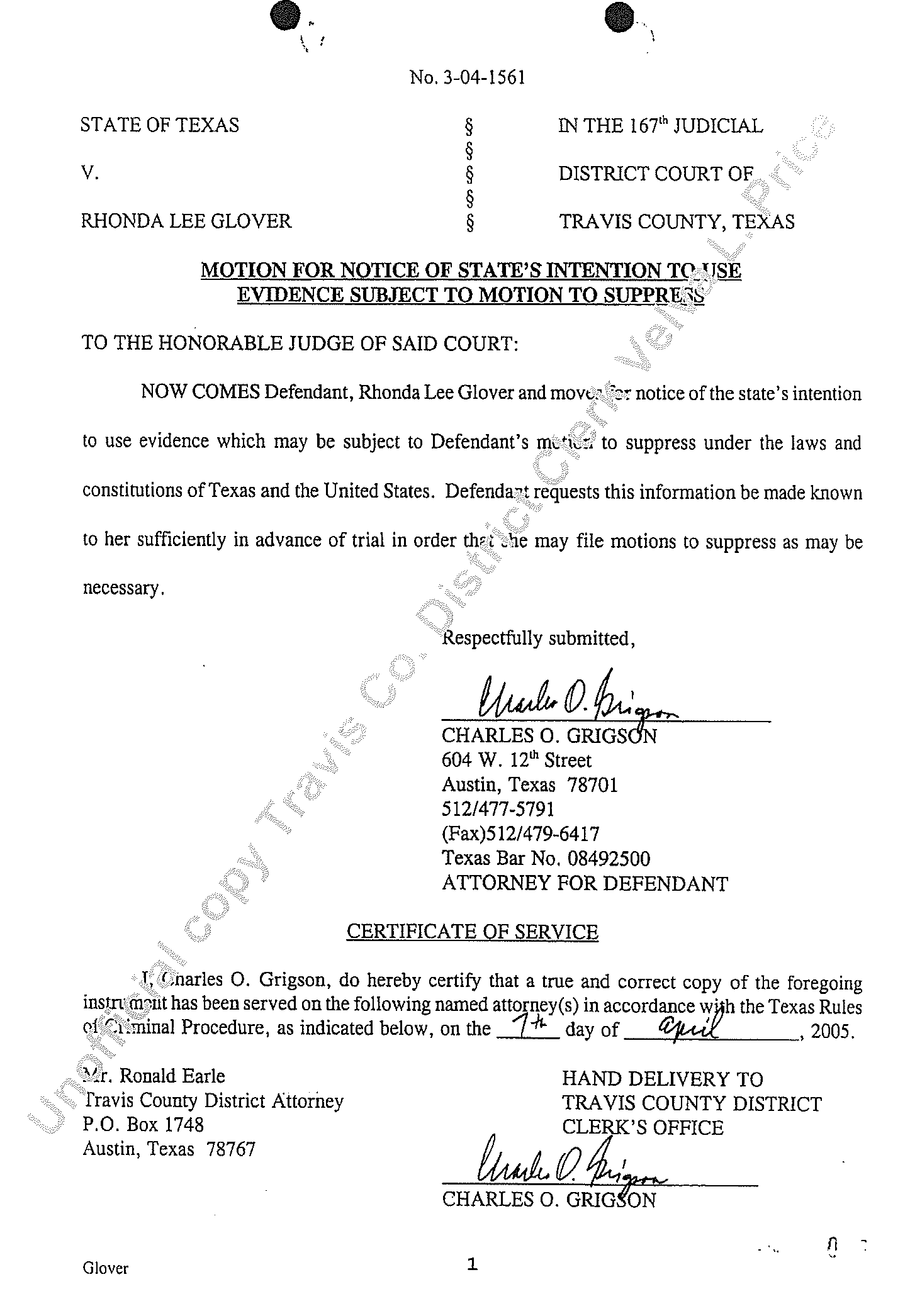
Dive deep into the critical role Rhonda Lee's mental health plays in her story. Uncover the overlooked evidence, expert opinions, and personal struggles that shed light on her actions and challenge assumptions. A key piece of this puzzle lies in the Motion to Suppress her statement, which reveals a different narrative and a woman fighting for her life and her son's.

Ignored insights: Expert evaluations & the motion to suppress
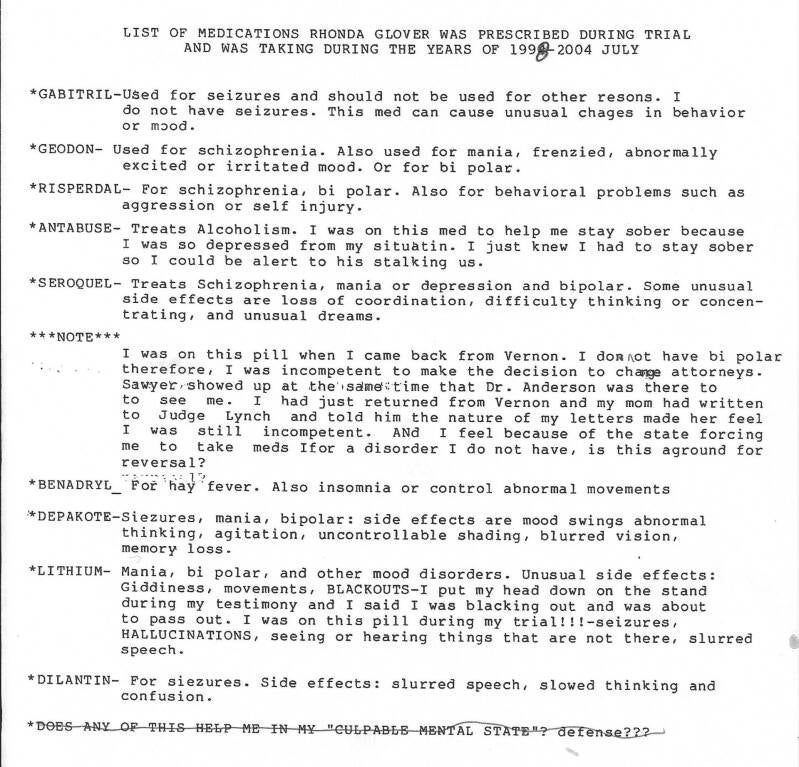
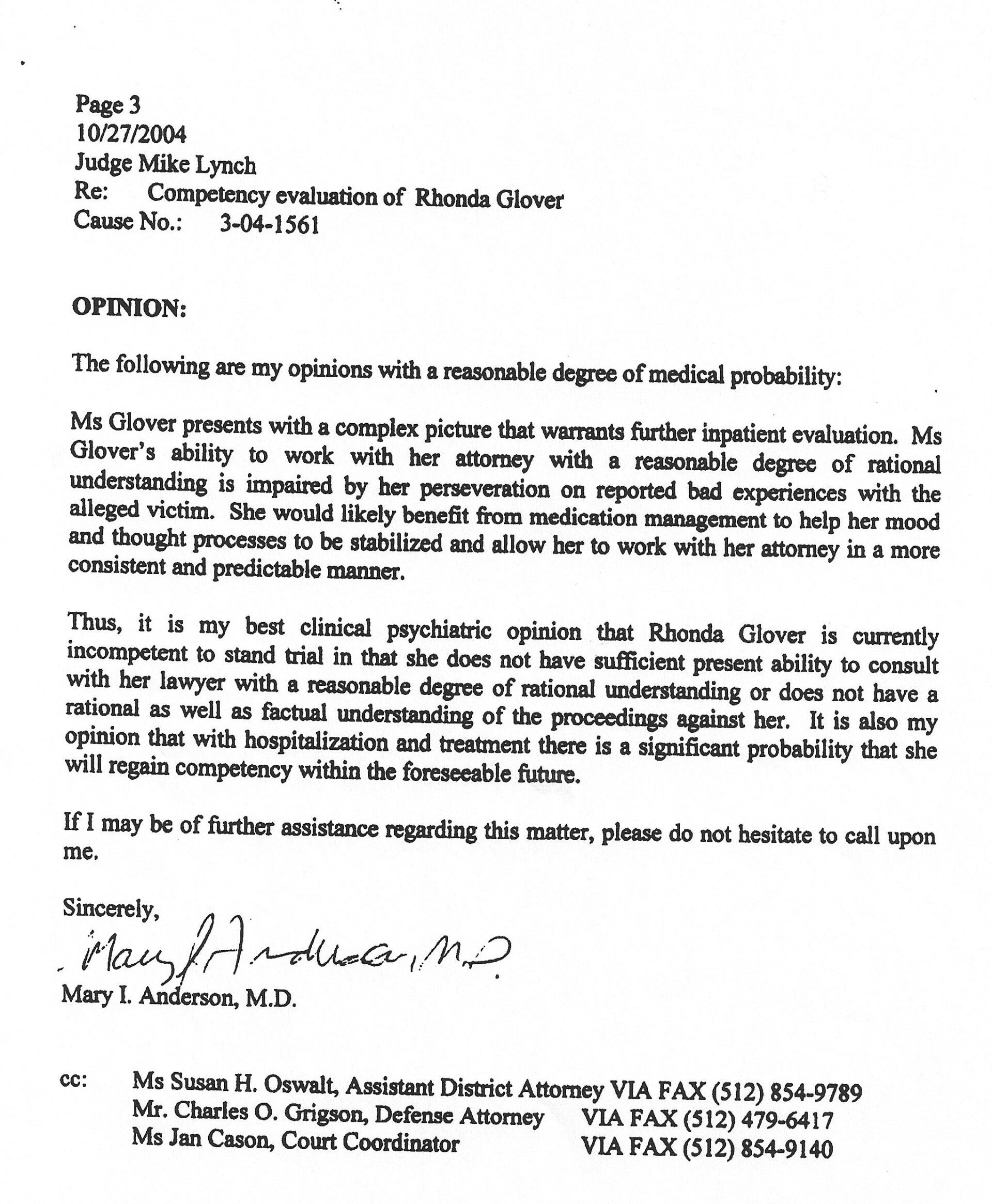
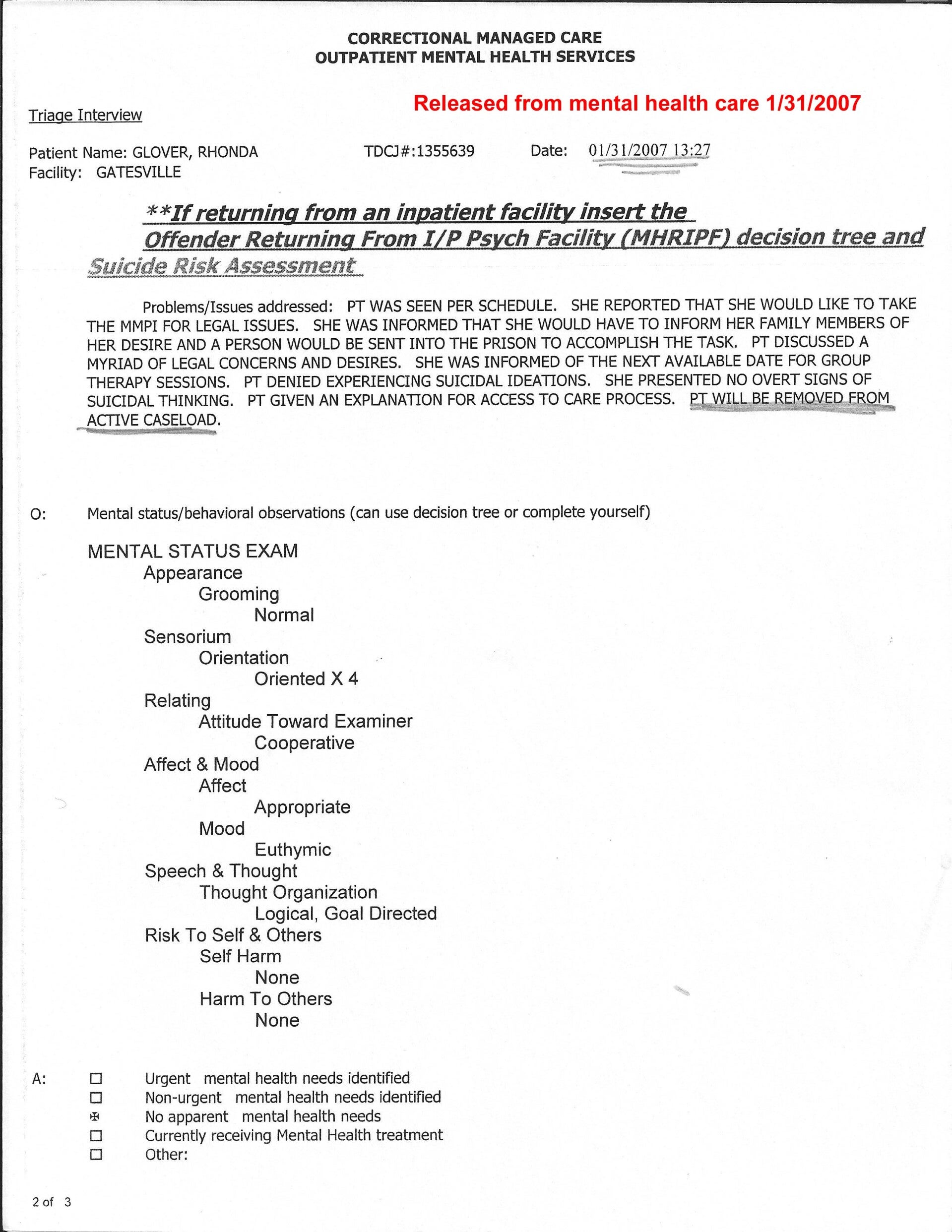
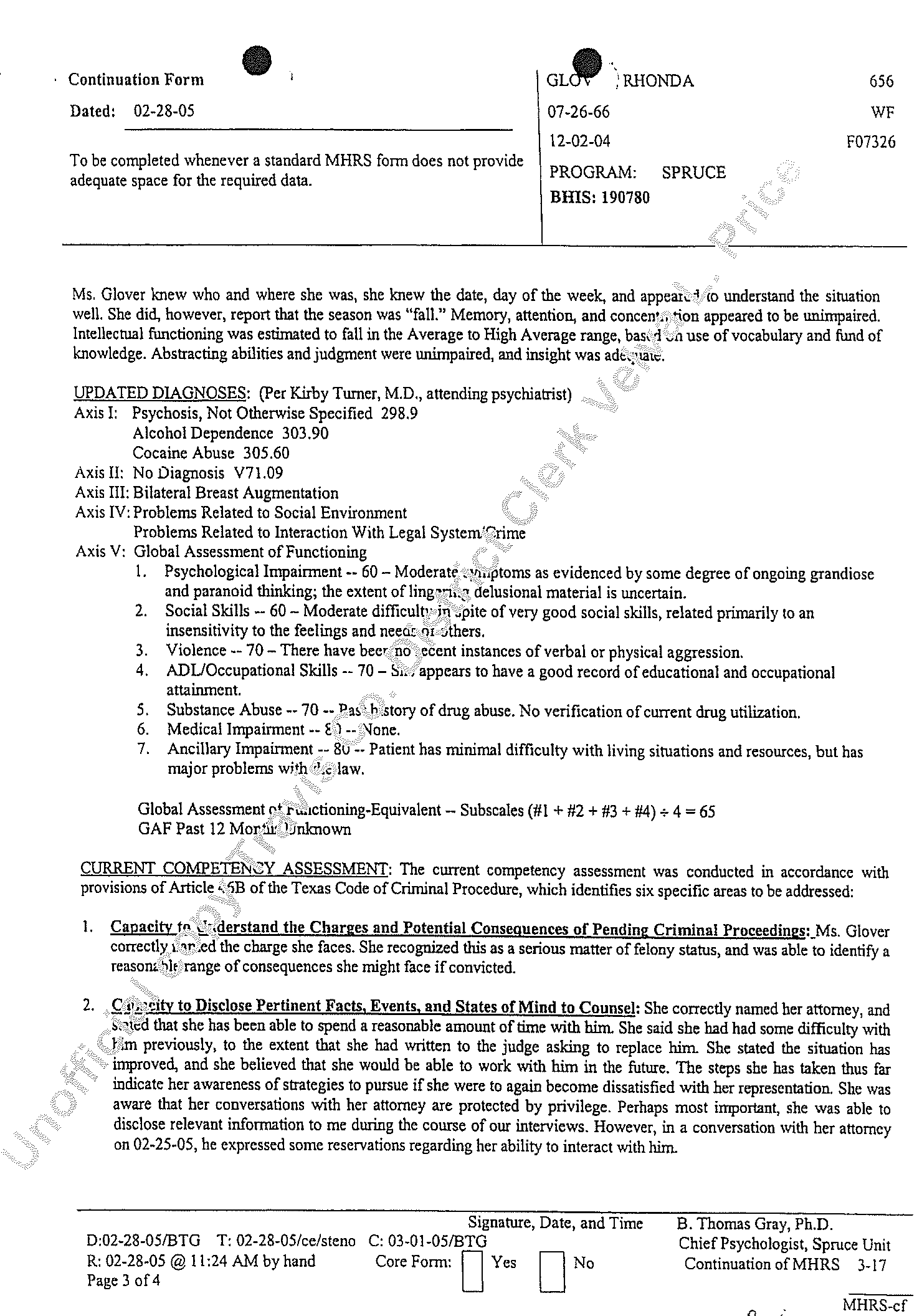
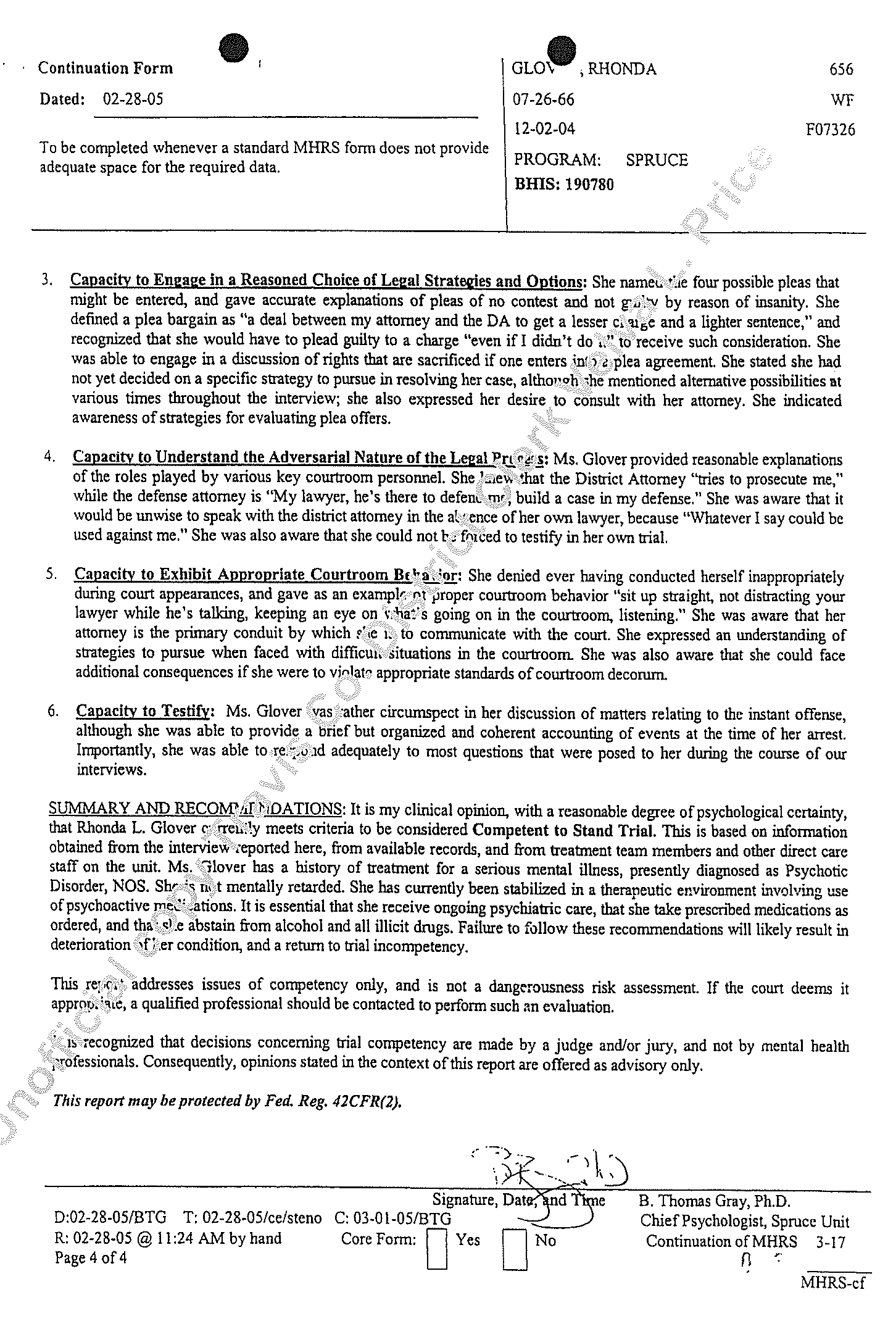
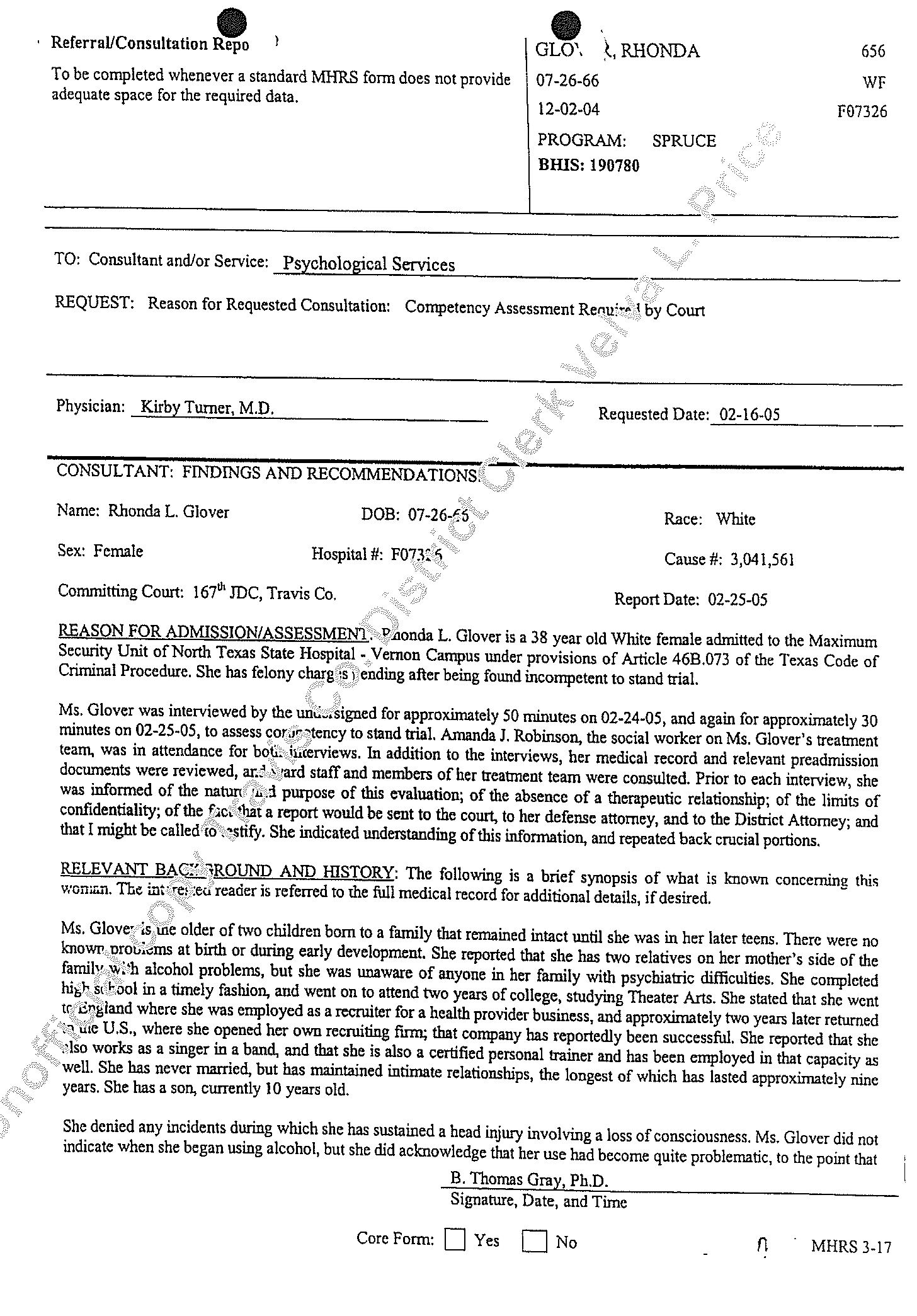
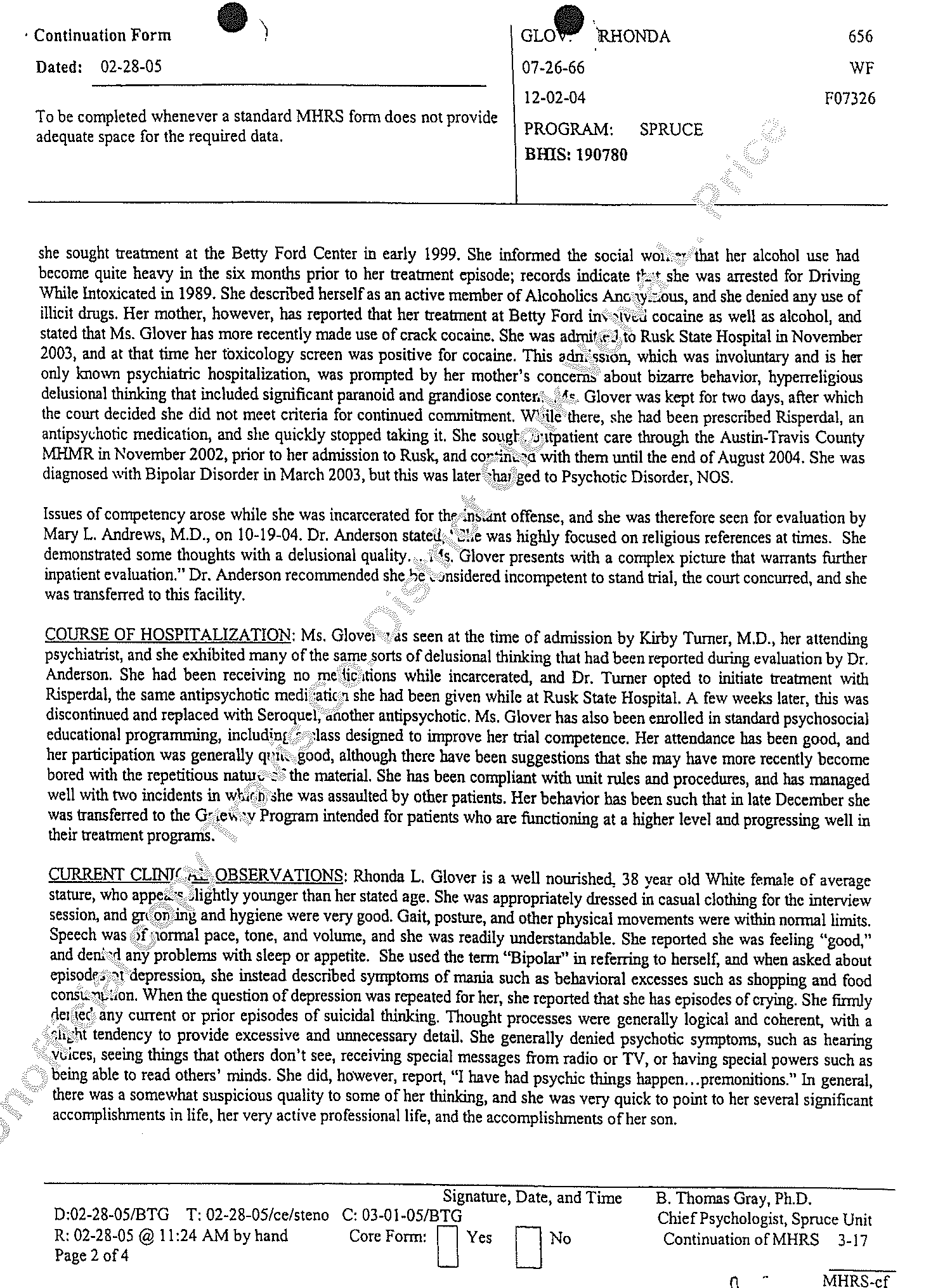
The Motion to Suppress Rhonda's statement is crucial. Dr. Mary Anderson, MD, the State's psychiatrist, reviewed extensive records of Rhonda's care. Even more significantly, Dr. Richard Coons, MD, a highly sought-after forensic psychiatrist, was retained by Rhonda's first lawyer but his expertise was never utilized, nor was he called to testify. Dr. Coons witnessed Rhonda's complete meltdown after reading the disturbing CPS report about her son, highlighting her profound emotional distress and vulnerability. His findings were a powerful testament to her fragile state, yet his critical insights were inexplicably sidelined.

Diminished capacity and overlooked witnesses
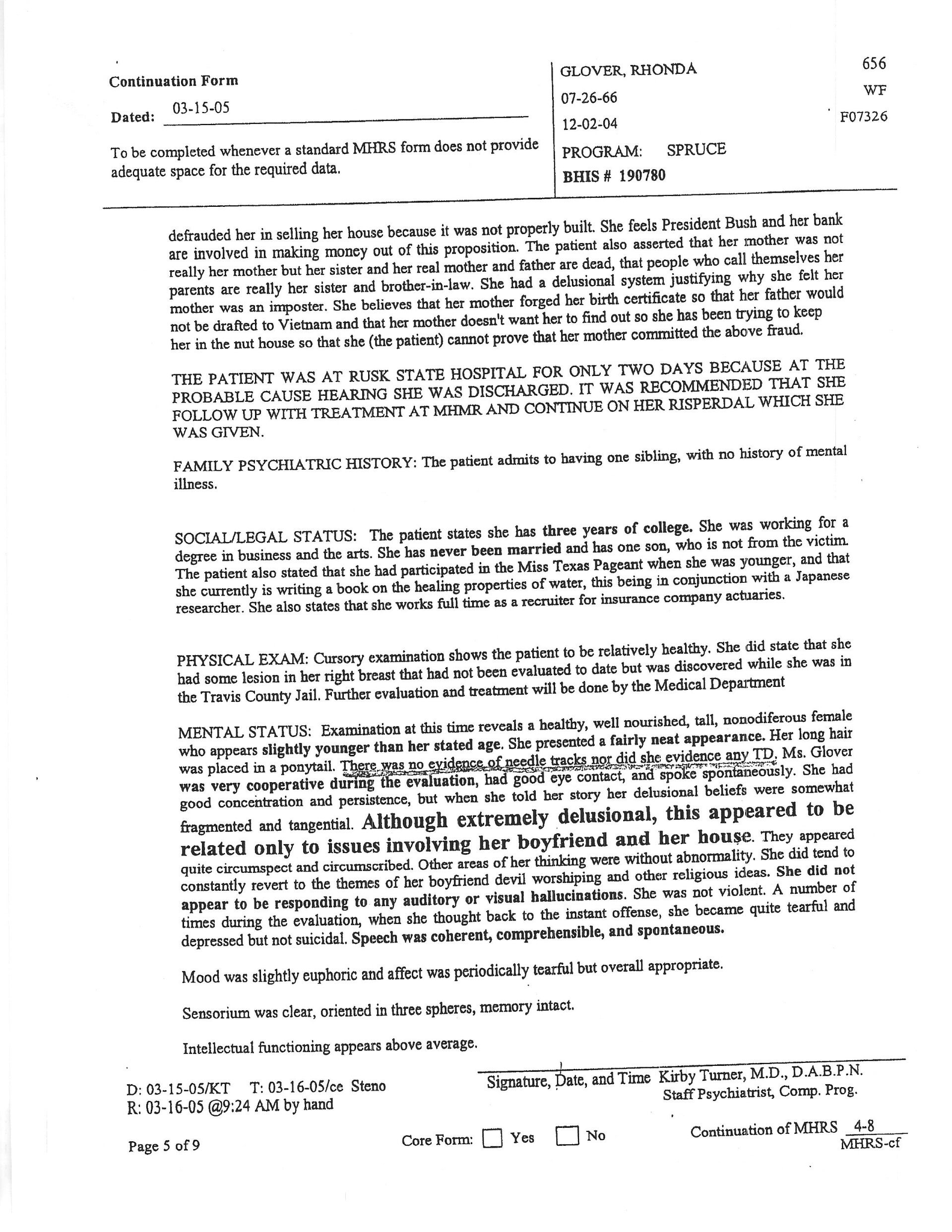
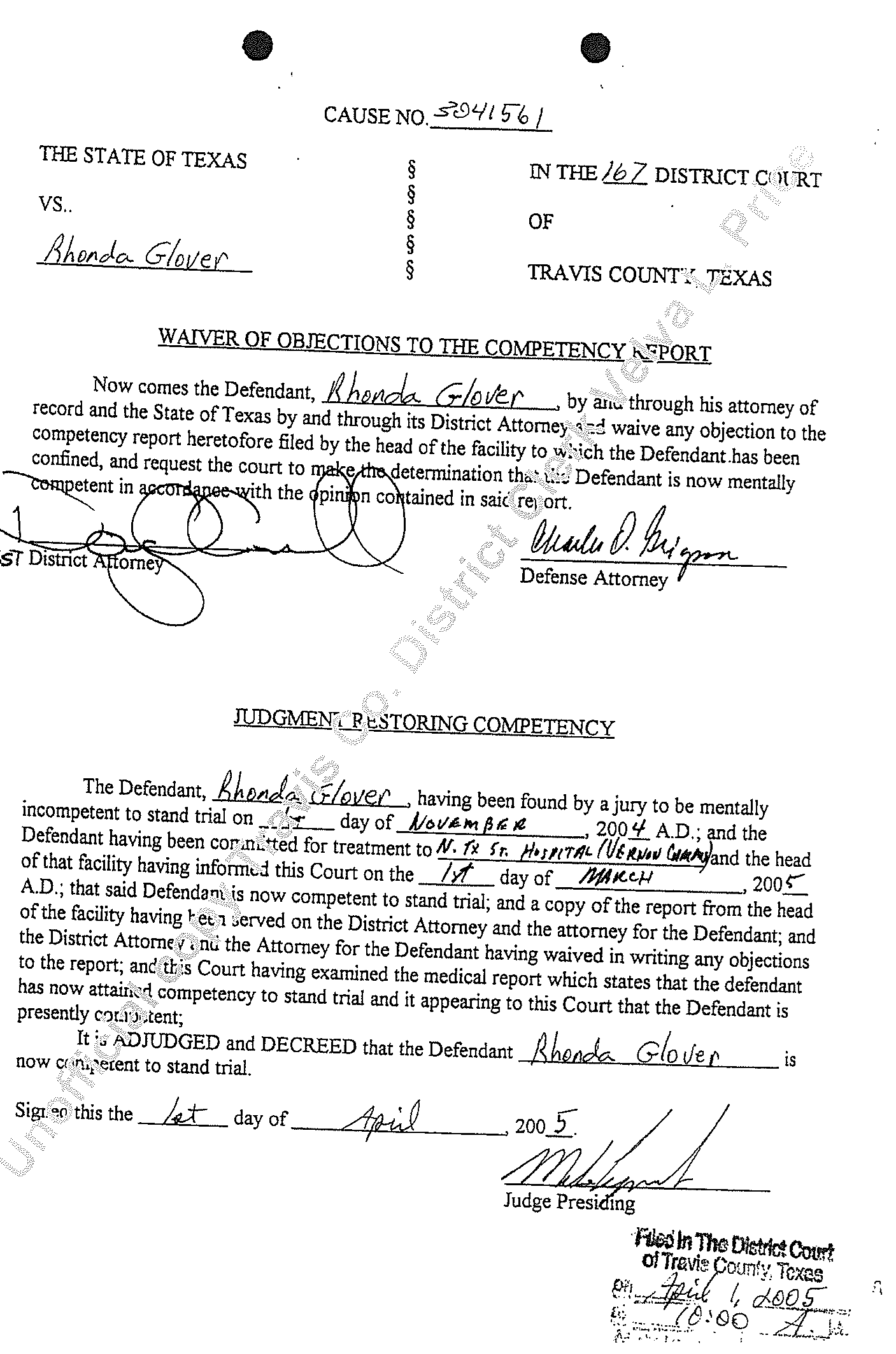
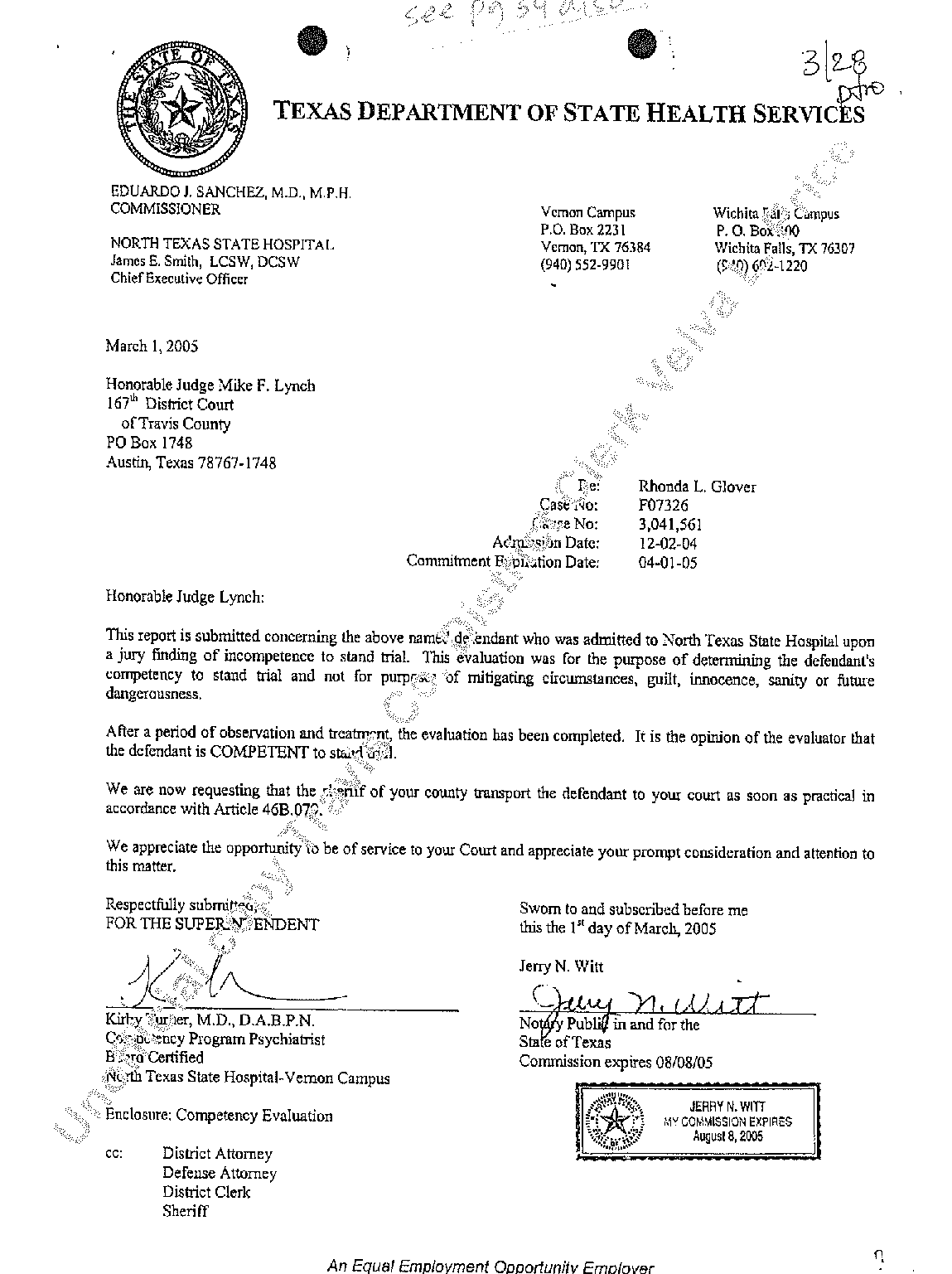
Dr. George Parker, a forensic psychologist, administered MMPI tests to Rhonda, concluding that while she understood what happened was against the law, she was "definitely less culpable, with a diminished capacity, and mentally defective in her 'psychosis.'" This nuanced understanding of her mental state is vital. Furthermore, Dr. Kirby Turner, MD, from North Texas State Hospital-Vernon, was available to testify about Rhonda's non-violent nature—even calling her "Miss Out of Place" after she was scratched and bitten by another patient without retaliation. Yet, neither Mr. Sawyer nor any other lawyer contacted him, allowing the State to falsely portray her as a threat.

The true impact: Medication, fear, and a mother's desperation
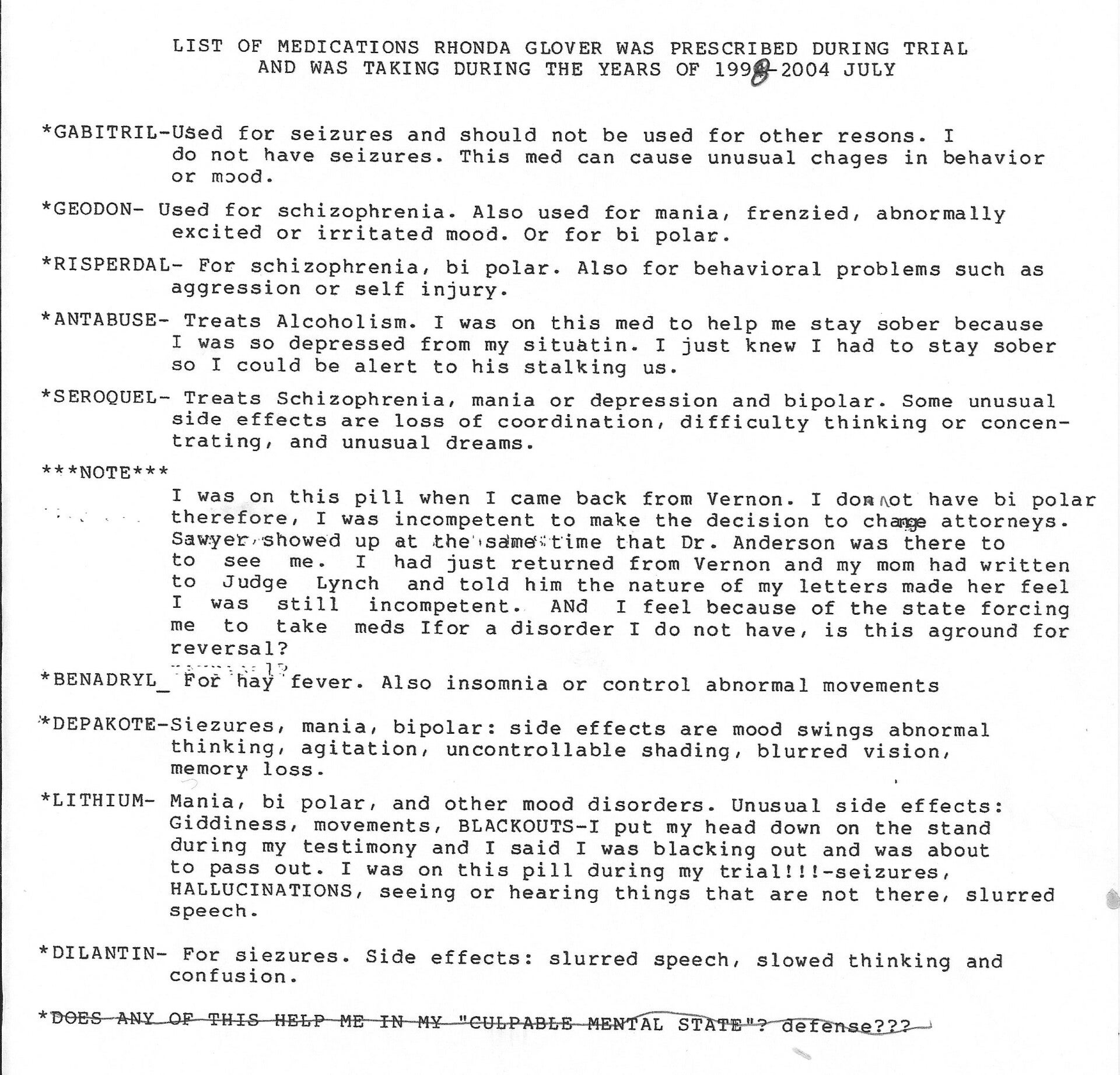
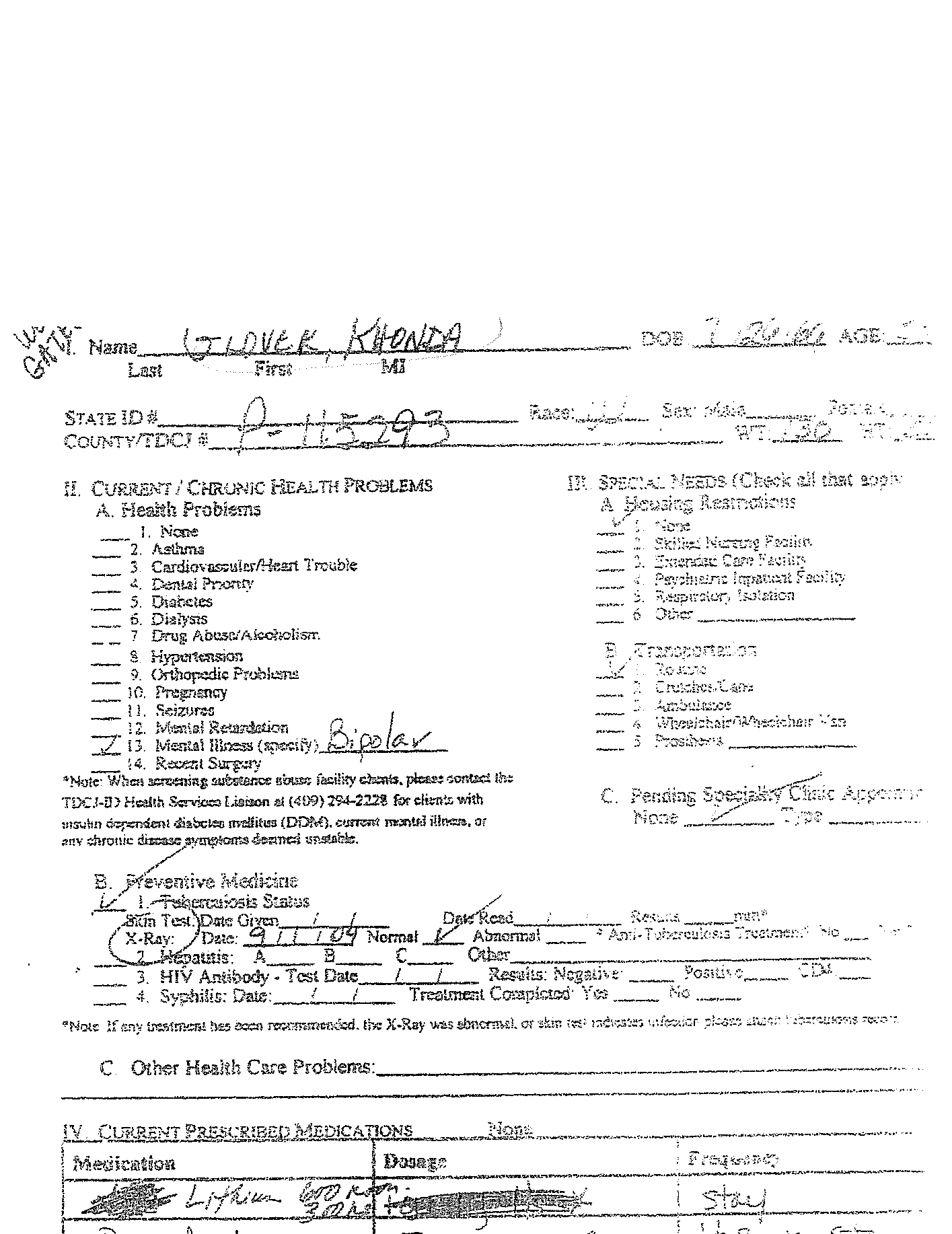
Alexandra Gauthier, paid for a Pre-Sentence Investigation, never bothered to meet Rhonda, offering testimony on her suitability for society and probation without a direct assessment. Had she met Rhonda before trial, she might have intervened on the medication Risperdal, which critically impaired Rhonda's ability to speak effectively. In a state of profound distress, unable to clearly think, and having experienced past police inaction, Rhonda fled with her son. JC, her son, with the puppy licking his tears, innocently asked, "Mom, why are you crying?" then shouted, "I hate him, he ruins everything and is always making you cry mom." The UTMB/TDCJ Psych Records, while misdiagnosing bipolar, confirm Rhonda's trauma. Now, fearing psych meds, Rhonda finds healing through faith. Her recovery is a modern-day miracle. For the full, compelling story, read the upcoming book, "Texas Blind Justice."
TRANSCRIPTS of Alexandra Gauthier
MR. SAWYER: Alexandra Gauthier, your Honor.
(Conference at the bench, as follows:)
MS. VAN WINKLE: We thought we would approach
05:5931 1 MR. SAWYER: I am not going to ask that sort
05:5933 2 of question.
05:59 04 3 THE COURT: Her range of expertise, I know her
05.5906 4 well and I know she is a lawyer, and like all lawyers and
05.59.09 5 most witnesses in this case, she is going to want to
05:59:11 6 volunteer more than she is asked. I mean every witness has
05:59:18 7 so far. No reason to think she would be different. You have
05:59:19 8 to finely design your questions just to bring out the
065923 9 services available to a person with mental issues If they are
05:59 26 10 on probation.
05:59:27 11 MR. SAWYER: Okay.
05:59 28 12 THE COURT: I guess that is what you are
05:59:30 1 3 telling me you want to do.
05:59:31 14 MR. SAWYER: Yes, basically offering her up as
05:59 33 15 my probation expert, my probation person.
05:59:18 16 THE COURT: Okay. Within her expertise.
05:59:38 17 (The following proceedings resumed in the presence
05:59:38 18 (and hearing of the jury, as follows:
05:59:41 19 (Witness duly sworn by the Court.)
05:59.41 20 ALEXANDRA GAUTHIER,
05:59:41 21 having been first duly sworn, testified as follows:
05:59:41 22 DIRECT EXAMINATION
05:59 Ouestions by Mr. Sawyer:
055955 24 Q. Ma'am, would you state your name for the record?
05.59:57 25 A. My name is Alexandra Gauthier.
172
Q. And Ms. Gauthier, if you would just give us the --
strike that. How are you employed, ma'am?
A. I am a solo criminal defense lawyer practitioner
here in Travis, Williamson and Hays County.
Q. And can you tell us your educational background?
A. I have an undergraduate political science degree
from San Diego State and a law degree from Ohio State and I
080028 8 have been practicing law In Texas now for 10 years.
060033 9 Q. And have you over that 10 years become very
o8:oo-4o 10 familiar with the problems In representing emotionally
06:0048 11 disturbed persons in the criminal justice system?
A. Yes, I have.
Q. Have you lectured on that?
A. I have to other criminal defense attorneys.
Q. Are you consulted on a fairly regular basis about
0831:01 16 problems in representing and defending emotionally disturbed
oesios 17 persons?
A. Yes, quite often by both prosecutors and defense
attorneys.
Q. Have you —are you a reviewer and editor of a
handbook circulated among defense lawyers on the topic of
060122 22 representing emotionally disturbed persons?
080124 23 A. Yes, I helped edit and review a handbook by the
080129 24 Advocacy Foundation. It is an advocacy, nonprofit advocacy
oeoi:34 25 group for people with mental Illness.
173
Q. I take It based on your experience that you are
familiar with the terms and conditions of probation for
probationers in the State of Texas?
A. Yes, I am.
Q. Whether you are mentally ill or not, are the same
conditions applicable to people who are emotionally disturbed
that are given to people who are not?
A. Yes. The law makes no difference, treats them no
differently.
Q. So if there is a violation, it is no defense, it is
o602:io 11 not —you only have the same defenses if you violate the
M:02:14 12 terms and conditions of probation as if you were not
0632:i6 13 emotionally disturbed?
0602:17 14 A. Correct. One violation alone can lead you to go to
083221 15 prison if a judge decides.
063223 16 Q. And if, for example, one received the maximum term
06:0227 17 of probation, one were on probation for 10 years, emotionally
0632:32 18 disturbed or not, if they were in the last month or week of
0632:35 19 their probationary period and they violated it, I take it
0632:38 20 that a judge like Judge Lynch could, if he found that there
0602:43 21 was a basis for revocation, sentence that person to all of
060247 22 the prison term that was probated?
06:02:48 23 A. YeS.
083249 24 Q. All right. There are standard terms and conditions
063255 25 of probation in our state, are there not?
0632.56 1 A. Yes, there are.
0632:59 2 Q. And without enumerating them at length, can you
063303 3 tell the jury more or less what purpose those conditions
0603O5 4 serve?
06O337 5 A. The purpose of the conditions of probation are
06:03:10 6 rehabilitative and punishment as well. They are anywhere
0603:14 7 from doing community service to taking drug and alcohol
06:0320 8 in-patient treatment. They go from all sorts of things, pay
08:0324 9 restitution, paying for court costs and fees, paying for
063329 10 probation in the first place, and paying for any type of
0833:32 11 program that the district judge would impose upon someone as
0633.36 12 a condition of being on probation, including up to 120 days
0633.41 13 in prison and jail time as well.
0633.45 14 Q. Okay. So If a judge deemed it appropriate, even if
0633:49 15 a jury granted probation, in our state he can send you to
0803.54 16 literally to 120 days in the penitentiary?
0603:57 17 A. Also and send you to the penitentiary for drug and
O6:04:oo 18 alcohol treatment under what is called the SAFP program.
06:0432 19 There is all kinds of things that the judge has power to do.
o6:04:oe 20 Q. Is probation in our state a fairly adaptive
O6:o4:io 21 mechanism, that Is, can It be tailored to the individual
0604:14 22 needs of any particular defendant?
06:04:16 23 A. It usually is with an effort -- there is attempts
06:04:19 24 made to meet the needs of the person, the defendant, and the
063425 25 needs of society to know that this person on probation is
175
060427 1 being watched and is benefitting from being on probation.
06:04:n 2 Q. Are there grades of probation that are more
08:04:38 3 strictly monitored than others?
06:04-38 4 A. There are, and if you are young, there is a high
063444 5 level —high level case loads where you have a probation
06:04:47 6 officer meeting more often with someone, and there Is special
060451 7 case loads for people about drug and alcohol programs and
06.04:54 8 there is a mental health case load as wellfor people with
06:04:57 9 emotional issues.
063503 10 Q. In addition to anything the probation department
063506 11 might deem suitable, in addition to all the standard
0605:06 12 conditions of probation, does the judge have the power in our
o6:os:ii 13 state to add any such conditions that he deems to be
060515 14 reasonable as part of a probationary period?
0835:18 15 A. That is been found by law, yes, and additionally,
06:0521 16 with mentally ill people, the judge can also require them to
0635:29 17 remain -- to do their medication and do In-patient or
0605:33 18 out-patient mental health treatment, wear an ankle monitor.
06O537 19 There are some pretty serious things that can happen to you
0835:40 20 on probation. I like to tell my clients it is like being in
0635:44 21 prison without walls, that there are consequences for your
063546 22 behavior or your misbehavior that are pretty serious, and the
0605:52 23 probation officers report those to the judge and there you
06:05:65 24 gO.
06:05:56 25 Q. And there you go, there you go to the penitentiary?
08:05:59 1 A. After —yeah, there you go.
06.06:04 2 Q. What services can probation provide to emotionally
0838:11 3 ill people that the prison system In Texas can't provide?
06:06:16 4 A. Well, the prison system in Texas --
0638:20 5 MR. CASE: Judge, I object. She has not been
06:06:23 6 qualified as having knowledge of the prison system. I
06:0626 7 understand she has knowledge of mental health and how mental
0636:33 8 health issues relate to probationers, but I object to
06 06:38 9 testimony about the prison system.
08:08:39 10 MR. SAWYER: Can I ask and see if she has the
0808:41 11 knowledge?
06:08:41 12 THE COURT: I sustain the objection at this
06:06:44 13 time.
06:06:44 14 Q. (By Mr. Sawyer) Have you become famlllsr in
06:08:46 15 representing emotionally disturbed people in the Texas
08:06:50 16 criminal justice system with services available for the
06:08.54 1 7 mentally III in the Texas penal system?
06:06.57 18 A. Yes, I have.
060656 19 Q. And when you say yes, I have, are you telling the
06.07.02 20 Court --
06:0732 21 MR. CASE: Judge, I object to leading and
06:0738 22 again, this is In the motion In limine about these Issues,
08:07:13 23 Ms. Van Winkle tells me, but I object to leading, and I would
0837:17 24 prefer that Mr. Sawyer ask the question in question and
06:07 22 25 answer form and let the witness answer.
0837:24
08:07:25
0637.27
0837:30
06.07.35
06:07:36
0837:38
0637.42
06:07.47
06:07 51 10
177
THE COURT: All right.
MR. SAWYER: Yes, your Honor, I just thought
that the rule was this was one of the rare times you could
lead on direct, but I am going to satisfy my friend here.
Q. (By Mr. Sawyer) Was it your testimony, ma'am, that
you are familiar with these programs?
A. Yes, I am. I hsve had personal interactions with
many people who purport to provide mental health care to
people incarcerated, whether it is someone who has been found
incompetent or also people In the general population in the
0837:55 11 state Jail system as well as TDC.
0637.58 12 Q. And again, I will come back around to the question
06.0831 13 I was asking to begin, can you tell the jury, if you will,
063835 14 the differences between the kind of services, the ability to
0638:12 15 meet needs in terms of probation as opposed to the ability,
063817 16 the wherewithal In the prison system to do that?
063821 17 MR. CASE: Your Honor, I object to that. I
06 0823 18 don't think the predicate has been laid to allow this witness
060625 19 to testify about the programs in prison. I think the
0606:31 20 predicate has been laid for this witness to testify about
o6:oa:33 21 programs available on probation, but just —the witness has
083837 22 testified that she has had some conversations with people who
06.0639 23 provide treatment in prison, and I do not think that that is
06:0644 24 enough to qualify one as an expert in what she Is being asked
083850 25 to testify about, which Is the appropriateness of -- In
06:08:54 1 general, this defendant, for prison versus probation.
0606:56 2 THE COURT: I will sustain the objection to
06:09:00 3 her offering an opinion on that. She can testify of her own
0609:04 4 personal knowledge about the services available at the
06:0939 5 Institutional Division. She may do so on a direct question.
06:09:11 6 Ask her to do that of her own personal knowledge.
06:09:17 7 MR. CASE: Does her conversation with a --
06:09:20 8 THE COURT: I don't think she Is qualified as
06:09:22 9 an expert In the mental programs available at TDC and what
06:09:26 10 they are made up of and what they are, but if she has
06:09:30 1 1 personal knowledge of what those are, she can state that
0639.32 12 personal knowledge.
063933 13 MR. CASE: I guess I am wondering if the Court
06:09:36 14 counts a telephone call to a treatment provider personal
06:09:44 15 knowledge. I would submit to the Court that Is not personal
08:0946 16 knowledge, but if that is the Court's ruling.
06:09:49 17 THE COURT: Interaction with TDC that gave her
06:09:52 18 that knowledge, not Just one phone call from somebody that
06:09:55 19 works down there. I am going to allow him to further explore
06:10:03 20 that area.
06:10:04 21 MR. CASE: Well, all right, your Honor.
06:10:09 22 Q. (By Mr. Sawyer) Ms. Gauthier, in preparing yourself
06:10:14 23 for lecturing and acting as an editor and reviewer of the
06:1021 24 handbook, have you made yourself familiar, the word is
06:1028 25 familiar, do you know what programs are available in the
179
06:10.32 1 Texas penal system, how they function and what they do for
06:10:36 2 people in terms of meeting the needs of emotionally disturbed
08:10:40 3 persons?
06:10:41 4 A. Actually, quite extensively in one case with a
06:10.48 5 warden, former warden because of my experience on working on
06:10:52 6 multiple death penalty cases, I am aware of probably —I
06:10.56 7 have been trained, I have been trained also in legal —
06.11:00 8 continuing legal education, treatments with former
06:11:04 9 Investigators from TDC as well as former attorneys and former
06:11:10 10 prison officials and have come and lectured at death penalty
06:11:14 11 seminars, so I am familiar that way.
06:11:17 12 Q. I will ask you the other way.
08:11:19 13 MR. CASE: Your Honor, may I take the witness
06:11:20 14 on voir dire?
08 11:25 15 THE COURT: Let me see the lawyers up here.
06:11:28 16 (Conference at the bench, as follows:)
06:11:30 17 THE COURT: What are you trying to get her to
06:11:33 18 say?
08:11:33 19 MR. SAWYER: It is easy. I want her ~
08:11:38 20 THE COURT: She can't compare the two. I
06:11:38 21 don't think she is an expert to compare the two, but you can
08:11:40 22 ask her what services do you know personally are available to
06:11:45 23 people with emotionally disturbed conditions at TDC. She can
08:11:50 24 answer what is available with probation and she can answer
06.11:55 25 that and let the jury draw conclusions. I don't know that
oeii:5a 1 she is an expert on this, but I am trying to give you leeway.
MR. SAWYER: Thank you. And so why don't I
ask what services probation can provide and then simply ask
does the prison —is the prison system able to provide
similar services.
THE COURT: To her knowledge.
MR. SAWYER: She lectures.
THE COURT: I will let her answer that. You
seem shocked, Mr. Case, but you have seemed shocked
06.1227 10 throughout this trial.
061227II MR. CASE: I know. Judge. Okay.
06i2:3i 12 (The following proceedings resumed in the presence
06:12:37 13 (and hearing of the jury, as follows:
06:1237 14 Q. (By Mr. Sawyer) Ms. Gauthier, let me ask you this.
06:1240 15 What services can probation provide in meeting the needs of
06:1247 16 an emotionally disturbed people?
061249 17 A. Some of the best social services available to
06:1252 18 people with mental illness are made available to them while
08:1255 19 on probation or parole In the State of Texas. There Is a
oe:i3oo 20 wraparound attempt made through private and state
06:i304 21 organizations to provide quality care, housing, employment,
08:1309 22 and other types of opportunities to individuals who can or
0613:13 23 cannot afford to pay for those things themselves. This
0613:17 24 county is actively through MHMR, well, through the different
06:13:23 25 agencies, have special programs for people on probation and
06:1328 1 on parole to receive medication and counseling, housing and
06:13:34 2 other issues too to meet their needs.
06:13:39 3 Q. Can those services be provided to your knowledge by
06:13:44 4 the programs that are available inside the Texas penal
06:13.49 5 institutions?
06:13:49 6 A. No.
06:13:50 7 Q. Okay. And is that because the programs simply
06:11:55 8 don't exist?
06:1355 9 A. Correct.
08:14:08 10 Q. Ma'am, I think you have answered my questions. I
06:1409 11 thank you.
06:14:09 12 MR. SAWYER: Pass the witness.
06:14:18 13 MR. CASE: I won't have any questions.
06:1420 14 A. Thank you, sir.
06:14:22 15 THE COURT: Thank you, ma'am. You are
06:14 23 16 excused. Next witness.
06:14:34 17 MR. SAWYER: Could I have about two minutes
06:14:36 18 with my co-counsel? Well, in fact, in a noncombative
06:14:41 19 atmosphere, could we approach the bench very briefly.
06:14:49 20 THE COURT: Yes, I would like to see that.
08:14:51 21 (Conference at the bench, as follows:)
06:14:54 22 THE COURT: This Is noncombative.
06:1457 23 MS. VAN WINKLE: Weren't sure we were invited.
08:15:01 24 MR. SAWYER: I think I am going to forego
06:15:08 25 additional testimony, but I just want to check with Deirdre
:15:11 1 to make sure I haven't left some gaping holes.
06:15:14 2 THE COURT: Are you through? Are you through?
06:15:18 3 MS. VAN WINKLE: Yes.
06:15:19 4 MR. SAWYER: And then I have to request, I may
06:15:25 5 or may not have you take judicial notice, that will take one
08:15 30 6 minute, and I will tell you what It is about whether I am
06:15:33 7 going to seek judicial notice of the competency proceedings,
08:15:37 8 I don't even know that I am, but I need to visit about that
06:15:39 9 for a minute. We need, although I think at this point it is
08:15:45 10 almost moot to address that HPD officer. I am scalded that
08:15:49 11 the guy has not returned any calls. Never had this happen to
0615:53 12 me before.
06.15:58 13 MS. VAN WINKLE: Can we facilitate that?
06:16:04 14 THE COURT: What is he testifying to?
06:16:06 15 MR. SAWYER: I don't believe that anything he
06:16:09 16 has to testify to —but this guy flat ignored the subpoena.
06:16:14 17 THE COURT: I will write a letter to his
06:16:16 18 supervisor after this trial is over if you give me the
06:16:19 19 information.
06:16:19 20 MR. SAWYER: I think that that would suit me.
06:18:21 21 I don't like to ever —I pride myself on never hurting cops.
06:1627 22 MS. VAN WINKLE: I hate to have him attached
06:1629 23 if we can get him up here if it is possible.
06:16 31 24 THE COURT: I don't know if It Is good faith
06:16 33 25 to attach him after the trial is over.
183
0616:35 1 MS. VAN WINKLE: I didn't know if you were
06:16:36 2 asking for that now.
06:16:37 3 THE COURT: He is not. I will help you with
08:18:42 4 it later.
08:18:42 5 MR. SAWYER: And there is the matter of that
08:1646 6 completion certificate on Rhonda. I do not want to in any
06:16:53 7 way impugn anyone's reputation because I happen to know my
06:16:59 8 colleagues don't lie, but that damn thing, I'm sorry I said
06:17:05 9 that.
06:17:05 10 THE COURT: Let's address that. So what are
06:1737 11 you asking me right now? We can do all this in five minutes
06:17:12 12 outside the presence of the jury. During that time I will go
06:17:15 13 back and ask them if they want the case today. Going to take
08:17:18 14 us about 30 minutes to finish the charge. They are not going
06:17:21 15 to get the case until nearly 5:00. I will ask if they want
06:17:25 16 it today or tomorrow.
06:17:28 17 MR. SAWYER: Honest to God, I think --
08:1728 18 THE COURT: I am going to give it to them
08:17:31 19 today if I can.
06:17:31 20 MR. SAWYER: I just think judgment is so
06:17:35 21 important that I think it is wrong to give it to them tired.
06:17:40 22 THE COURT: I am asking your permission to go
08:1745 23 back and discuss it with them.
06.17.46 24 MR. SAWYER: Yes.
06:17:47 25 MS. VAN WINKLE: Yes, sir.
06:17:48 1
08:17:51 2
06:17.52 3
06:17:52 4
06:17.53 5
06:17:58 6
0617:58 7
THE COURT: Take a five-minute break.
(The following proceedings resumed in the presence
(and hearing of the Jury, as follows:
THE COURT: Ladies and gentlemen of the jury,
I think we are winding down here and we are going to take
just a couple of minutes to determine exactly where we are
and take up one issue that needs to be concluded outside the
061831 8 presence of the jury, plus I will come back and discuss an
oeiBw 9 issue with you in just a moment in the jury room. If you
would retire to the jury room at this time. We are in
recess.
(Recess taken.)
THE COURT: Back on the record. Mr. Sawyer,
063647 14 you wanted to put something on the record?
083648 15 MR. SAWYER: Yes, your Honor. Madam court
083858 16 reporter ready?
THE COURT REPORTER: Yes.
MR. SAWYER: Your Honor, previously, and
before this trial commenced, and before I actually
represented Ms. Glover, there was a judicial proceeding held
in this court in which, based at least in part on expert
0637:15 22 testimony about a mental disease from which the defendant
06.3721 23 suffers. A jury returned a verdict finding that she was
063728 24 incompetent to stand trial. Finding Incompetence necessarily
06 37.35 25 reflects the jury's belief of the definition of incompetence,
185
0637.39 1 that is, an inability to sufficiently understand the charges
06:3743 2 against her, coupled with an inability to effectively assist
her lawyer in representing her.
I would ask the Court take judicial notice of that
jury verdict and the length of time for which the
incompetence -- and the length of time for that period of
incompetence.
I believe that it is necessary for the jury to
fairly determine the extent to which Ms. Glover suffers from
0618:22 10 a mental disease or disorder, and I would particularly note
oe 3825 11 that she had been in custody at that time for some months and
06:38:30 12 that it was clearly not —demonstrably not drug related, and
06:3840 13 I anticipate argument from the State that all of the behavior
06 3643 14 of all of 2003, 2004 was drug driven and not the result of
063848 15 suffering from a mental disease or disorder.
063653 16 For those reasons, I am asking the Court to either
06:38:56 17 take judicial notice of the proceedings, or in the
061931 18 alternative, to allow me such additional time to bring the
06:3907 19 witnesses forward to establish the facts.
0639 13 20 MR. CASE: Your Honor, State's position is
06:39:15 21 that the issue of competency is not relevant. It has been
06-3920 22 kept out of the trial. It is not relevant to the purpose for
06:3924 23 which Mr. Sawyer wants to offer it, and the State objects to
063927 24 any kind of mentioning of the defendant being competent —
06:39:33 25 incompetent at some point.
06:39:35 1 THE COURT: All right. The Court believes -
00:39:39 2 first of all, I am not at all sure this is a matter
0639:42 3 appropriate at this stage for judicial notice, but more
06:39:45 4 importantly, I do agree that it is essentially Irrelevant to
08:19:52 5 issues before the jury at this time, and in fact, if the
06:19:56 6 purpose is to show that Ms. Glover suffers from mental
06:4035 7 illness or mental problems, I think that is adequately in the
06:4039 8 record and unimpeached by virtue of her own testimony and
08:40:12 9 other testimony concerning medications she is taking, her
08:4018 10 bipolar condition.
08:40 21 1 1 That is before the jury. It has been diagnosed and
08:4027 12 she is receiving at least three medications for as we speak
06:40.32 13 and during her time in jail, and throughout the testimony of
06:4041 14 the punishment witnesses throughout the day, so I believe
06.40.45 15 that its relevance is nil and could lead to further
0640:51 16 confusion, opens the door to other Issues and needlessly
08:40:56 17 prolong the trial.
06:40:58 18 MR. SAWYER: Then I take it the Court is
06:40:58 19 denying that.
0640:58 20 " THE COURT: Yes, sir.
06:40:59 21 MR. SAWYER: And then I would ask the Court to
06:4133 22 take Judicial notice in the presence of the jury that the
06:4137 23 record in this case is sufficient to support a finding that
0841:14 24 Ms. Glover suffers from bipolar disorder or not even bipolar,
0841:21 25 mental disease or diseases, and although I would prefer the
187
06:41:26 1 former, I would ask for the latter. If you are not inclined
06:41:10 2 to take judicial notice of the incompetency proceedings, to
06:41:34 3 take judicial notice of the fact she is -- that there is
06:41:39 4 sufficient evidence in the record to support the fact she is
08:41:43 5 suffering from a mental disease or diseases.
06:41:47 6 MR. CASE: And the problem I would have with
06.41:46 7 that, your Honor, is that it would be a comment on the weight
06.41:51 8 of the evidence, and the evidence speaks for itself and the
06:41:55 9 State doesn't dispute that she has had a mental disease.
06:42:01 10 THE COURT: I sustain the objection on the
08:4232 1 1 same grounds.
08:4236 12 MR. SAWYER: I'm sorry?
08:42:07 1 3 THE COURT: I sustain the objection, deny the
06:42:09 14 request on the same grounds.
06:42:11 15 MR. SAWYER: Okay. If I may go further,
06:42:18 16 getting a little ahead, under Article 42.12 of the Code,
06:4225 17 specifically subparagraph (d), I am going to ask the Court to
08:42:31 18 include (d)(l)(a)(b) and (2) in the charge, and that judicial
06:42:39 19 notice would go to the charge and would be relevant to the
06:42:44 20 charge. If I may, I will just bring it up.
06:42:47 21 THE COURT: You-all didn't mention to me at
08:42:49 22 all when I told the jury we were going to get the case to
06:42:53 23 them. We may have to reevaluate that in a moment. What is
06 42.58 24 it?
06:42:56 25 MR. SAWYER: 42.12, your Honor.
06:43.00 1 THE COURT: 42.12 what?
06:4333 2 MR. CASE: 42.12 what?
06:4335 3 MR. SAWYER: Section 11, 42.12.
06:43:10 4 MS. DARROUZET: (d).
08-41:11 5 MR. CASE: What does it say?
08:43:14 6 THE COURT: I can't hear. If we are on the
06:43.18 7 record, yc u-all have to speak up and let's move this. Thank
06:43 20 8 you. Section 11 what?
06.43:24 9 MR. SAWYER: Section 11, subparagraph (d).
0643:27 10 MR. CASE: I'm sorry?
06.43:28 1 1 MR. SAWYER: Subparagraph (d) as --
06:43:30 12 MR. CASE: D as in dog?
06:43:32 13 MR. SAWYER: Das in David.
06:43:39 14 MR. CASE: 42.12(ll)(d).
08 4342 15 MR. SAWYER: I marked it.
06:4147 1 6 THE COURT: That has to do with a condition of
06:41:50 17 probation I can add in the future. When she is placed on
08:41:54 18 probation if it is determined that she suffers from some
06:41:58 19 mental conditions.
06:43 59 20 MR. SAWYER: I am requesting --
08:4400 21 THE COURT: I would not be Inclined to take
08:4432 22 judicial notice unless the State and defense agree, but I
08:44:08 23 would add that in the charge as one of the potential
06:4439 24 conditions of probation, a summary of that, probably not the
06:44:13 25 full thing hat refers to all the other statutes, but a
06:44:16 1
06:44:21 2
06:44 23 3
06:44.27 4
06.44:31 5
06 44:33 6
08:44:14 7
06:44:15 8
06.44:37 9
10
189
concise version of that in the conditions. That will be in
the punishment charge.
MR. CASE: Yeah, I agree. I wonder--can you
just -- can you just orally tell them that or does It --
THE COURT: No, it is In the charge. All the
conditions of probation.
MS. VAN WINKLE: That's fine.
THE COURT: I will include that as one of the
possible conditions of probation.
MR. SAWYER: All right. And just so the
064441 11 record is complete, the Court is denying my request for
06:44.44 12 judicial notice or additional time to produce witnesses to
06:4448 13 establish incompetence on the basis of relevance?
064450 14 THE COURT: Yes, sir.
0644 51 15 MR. SAWYER: And similarly, the Court is
0644 51 16 denying my request for judicial notice of mental disease,
064530 17 again, for the same reason?
06:4531 18 THE COURT: Yes, sir.
064534 19 MR. SAWYER: Just want the record to reflect
06:4535 20 it.
0645 05 21 THE COURT: Yes, sir. What else?
064510 22 MR. SAWYER: I -- are we going to speak to the
06:4514 23 charge right now?
0
Understanding the Risks of Drug Interactions
Exhibit #42 on www.drugs.com highlights a critical concern regarding drug interactions, particularly with respect to the psychotropic medications prescribed to Rhonda. It's alarming to discover that the medications she was given for a bipolar disorder, which she does not actually have, should not be taken together. This includes medicines like Risperdal, Lithium, Buspar, Depakote, and Keppra—and in some cases, these drugs are even mixed simultaneously. Why is this happening? Understanding the potential adverse effects of combining these medications is essential for patient safety. Each of these drugs has a unique mechanism of action, and their interactions can pose serious health risks. Patients and healthcare providers must work closely to ensure that prescribed treatments align with the individual's actual medical needs. Misdiagnosis and inappropriate prescriptions can have dire consequences, emphasizing the importance of a thorough evaluation before starting any treatment plan.
Click on the blue underlined link above to see details about these medicines and their interactions.